How to Prepare Your Trees for a Queensland Summer
Queensland summer can be tough on trees. Long hot days, dry spells, sudden downpours, strong winds and summer storms can all place extra stress on branches, roots and canopies. A tree that looks fine in mild weather may become a problem once heavy rain, saturated soil or storm winds arrive.
Preparing early can make a big difference. From tree trimming and pruning through to watering, mulching and storm safety checks, there are practical steps homeowners can take to help trees stay healthier and reduce the risk of avoidable damage.

Why Queensland Summer Is Hard on Trees
South East Queensland trees deal with a mix of heat, humidity, storms and periods of dry weather. This can lead to moisture stress, pest pressure, fungal issues, branch drop and storm-related damage. Trees growing near homes, fences, driveways, pools, sheds or neighbouring properties need extra attention because failed branches can quickly become a safety or property concern.
Not every tree needs major work before summer, but it is worth looking for early warning signs. Deadwood, split limbs, heavy overextended branches, fungal growth, cavities, leaning trunks and branches rubbing on roofs or gutters should not be ignored.
Summer preparation is not about cutting everything back. It is about identifying risk, improving tree health where possible and dealing with weak, dead or unsafe sections before storms arrive.
Start With a Tree Safety Check
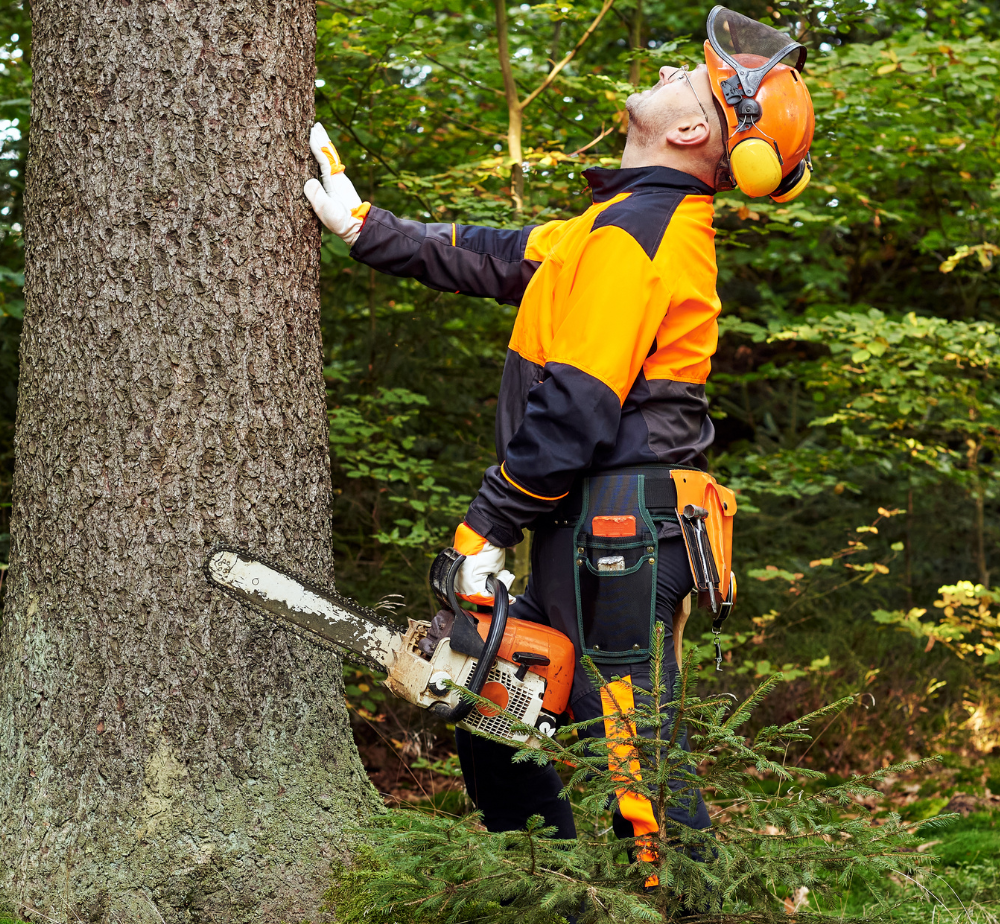
A basic visual check can help you decide whether your trees need professional attention before summer. Walk around the tree from a safe distance and look at the canopy, trunk, branch unions, roots and nearby structures.
Pay particular attention to branches over roofs, carports, outdoor entertaining areas, driveways, play areas and boundary fences. These are the areas where falling limbs can cause the most disruption.
If you notice large dead branches, cracks, decay, recent movement, hanging limbs or storm damage, it is worth calling experienced tree loppers in Brisbane before the next weather event.
1. Prune Weak, Dead or Overextended Branches
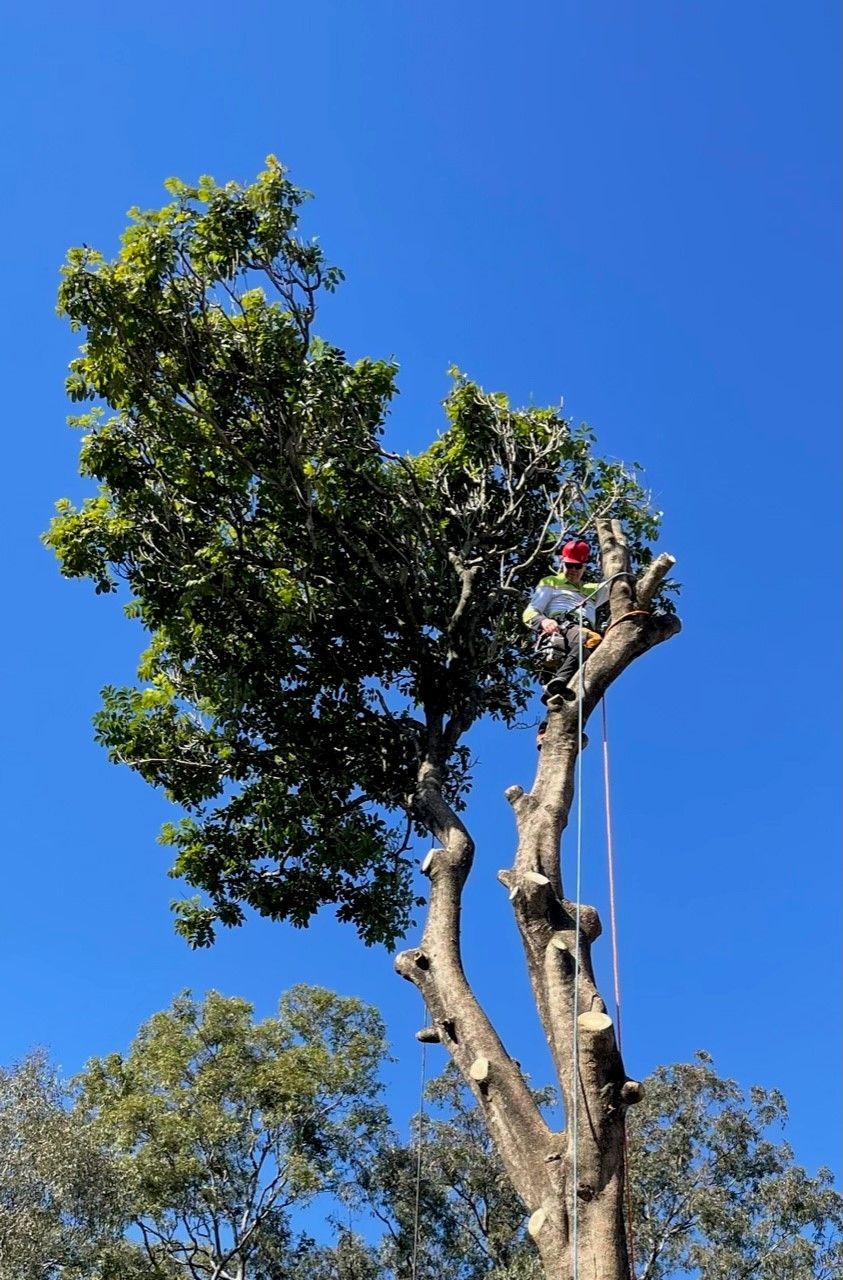
Professional pruning is one of the most useful ways to prepare trees for summer. Removing deadwood, damaged branches and weak limbs can reduce the chance of branches failing during storms. It can also improve clearance from roofs, gutters, sheds, fences and neighbouring properties.
The key is to prune correctly. Heavy lopping or random branch removal can weaken a tree and create poor regrowth. A qualified tree service will consider the species, branch structure, tree health and the reason for pruning before making cuts.
Remove Dead Branches
Dead branches are more likely to fail in high winds and should be assessed before storm season.
Cut Back From Structures
Branches touching roofs, gutters, fences or solar panels can cause damage during wind and heavy rain.
Manage Heavy Limbs
Long, heavy or overextended branches may need selective reduction to reduce the chance of failure.
2. Water Deeply During Dry Spells
Queensland summers can swing between dry heat and heavy rain. During prolonged dry periods, trees can become stressed, especially young trees, recently planted trees and trees growing in compacted or shallow soil.
Deep watering is generally more useful than quick, shallow watering. A slow soak around the root zone encourages water to move deeper into the soil where roots can access it. Avoid constantly wetting the trunk, and try to water early in the morning where possible.
Mature trees usually do not need the same watering routine as small garden plants, but they can still suffer during extended dry spells, especially if they are already stressed or have had root disturbance.
3. Use Mulch to Protect the Root Zone
Mulching is one of the simplest ways to support tree health through summer. A good layer of organic mulch can help retain soil moisture, reduce temperature fluctuations, suppress weeds and improve soil condition as it breaks down.
Spread mulch around the base of the tree, but keep it away from direct contact with the trunk. Mulch piled against the trunk can trap moisture and encourage decay or pest issues. Think of it as a wide, even blanket over the root zone, not a mound around the stem.
Quick mulch tip: Keep mulch a small distance away from the trunk and spread it outward where the feeder roots are more active.
4. Prepare for Summer Storms
Summer storms are one of the biggest tree-related risks in South East Queensland. Wind, lightning, heavy rain and saturated ground can all contribute to branch failure or whole-tree failure.
Before storm season, check for:
- dead, cracked or hanging branches
- large limbs over roofs, sheds, driveways or play areas
- branches rubbing against each other or against structures
- trees leaning more than usual or moving after rain
- fungal growth, hollows, cavities or visible decay
- soil lifting, root movement or cracking around the base
- previous storm damage that was never properly addressed
If a tree is already dangerous or has failed during a storm, Treepeeps can help with emergency tree removal.
5. Watch for Pests, Disease and Fungal Issues
Heat and humidity can create favourable conditions for some pests and diseases. Early signs may include canopy thinning, discoloured leaves, unusual leaf drop, fungal growth, borer activity, dieback, oozing wounds or sections of bark lifting away from the trunk.
Not every change is serious, and some trees naturally drop leaves or branches in response to seasonal stress. However, if a tree looks noticeably worse than surrounding trees or is declining quickly, it is worth getting professional advice.
An arborist can help determine whether the issue is likely to be pest-related, disease-related, structural or environmental.
6. Know When Tree Removal Is the Safer Option
In many cases, pruning is enough. But when a tree is dead, severely decayed, structurally compromised, storm damaged or growing in a poor location, removal may be the safer long-term option.
Professional tree removal may be needed if the tree has a high likelihood of failure, is damaging property, has major trunk decay, has lost structural stability or poses a risk to people, buildings or neighbouring areas.
If a tree is removed, stump removal or stump grinding can help clear the area, reduce trip hazards and make the space easier to reuse or landscape.
Summer Tree Care Checklist
Use this quick checklist before the worst of the summer heat and storms arrive.
Tree Health Checks
- look for deadwood, cracks, cavities and decay
- check whether branches are touching structures
- watch for pests, disease or sudden canopy decline
- water young or stressed trees during dry periods
- mulch correctly around the root zone
Storm Safety Checks
- remove hanging or storm-damaged limbs
- assess heavy branches over high-use areas
- check trees that lean or move after rain
- clear branches away from roofs and gutters
- arrange urgent help for dangerous trees
Tree Services That May Help Before Summer
Treepeeps can inspect your trees and recommend the safest approach before summer storms and heat place extra pressure on your property.
About Treepeeps
Treepeeps is a Brisbane-based tree services company helping homeowners, businesses and property managers with safe, practical tree work across Brisbane, Logan, Ipswich and the Gold Coast. The team provides tree removal, tree trimming and pruning, stump removal, emergency tree removal and general tree services, with qualified arborist guidance available when trees need to be assessed for safety, structure, condition or risk.
Treepeeps’ arborist, Jason Wadley, has 12 years of experience in the tree industry. He has held Level 3 Arboriculture for 10 years and a Diploma of Arboriculture for 1.5 years, giving customers access to both hands-on tree work experience and qualified arborist knowledge when making decisions about pruning, removal or tree risk.
Need Tree Advice Outside Brisbane?
Treepeeps services Brisbane, Logan, Ipswich and the Gold Coast. If you are based further north, we work with and recommend Sunshine Coast Tree Services for local tree work and arborist Sunshine Coast advice.
Frequently Asked Questions
How do I prepare my trees for a Queensland summer?
Start with a tree safety check, prune dead or weak branches, water deeply during dry spells, mulch correctly and look for signs of pests, disease, decay or storm damage. If a tree looks unsafe, get professional advice before summer storms arrive.
Should I prune trees before storm season?
Pruning before storm season can help reduce risk when it is done correctly. Dead, cracked, hanging or overextended branches should be assessed by a professional, especially when they are close to homes, driveways, fences or outdoor areas.
How often should I water trees in summer?
It depends on the tree species, age, soil and weather conditions. Young or stressed trees may need deeper watering during dry spells, while established trees may only need support during prolonged heat or drought stress.
Can mulch help trees survive summer?
Yes. Mulch helps retain soil moisture, regulate soil temperature and reduce competition from weeds. Keep mulch away from direct contact with the trunk to avoid moisture-related problems.
When should I call for emergency tree removal?
Call for emergency tree removal if a tree has fallen, is leaning dangerously, has large hanging branches, has storm damage or is creating an immediate risk to people, buildings, vehicles or access areas.
Does Treepeeps provide summer tree care across South East Queensland?
Yes. Treepeeps provides tree trimming, pruning, tree removal, stump removal and emergency tree removal across Brisbane, Logan, Ipswich and the Gold Coast.
Need Help Preparing Your Trees for Summer?
If you are worried about dead branches, storm damage, overgrown trees or trees growing too close to your home, Treepeeps can inspect the site and recommend the safest option before the next round of Queensland summer weather arrives.
Call Treepeeps on 07 3910 3436