5 Common Trees That May Not Need Council Approval to Remove on the Gold Coast
Some weed or pest tree species on the Gold Coast may be easier to remove than protected native or significant trees, but property owners should still check the rules before cutting. If you need practical advice or a quote for tree removal on the Gold Coast, TreePeeps can inspect the site, identify access issues and explain the tree work involved.
The short answer is: some common weed or pest trees may not require Council approval to remove on the Gold Coast, but you should never rely on the common name alone.
Tree removal rules can depend on the species, size, property location, vegetation overlays, development approvals, body corporate rules and whether the tree is protected vegetation. Even where a tree is commonly treated as a weed species, it is still worth confirming the details before removing it.
This guide explains five common trees that are often discussed in relation to Gold Coast tree removal and weed management: cocos palm, coral tree, cadaghi, slash pine and umbrella tree. It also explains why correct identification matters before any cutting begins.
Why Species Identification Matters
The original version of this topic often refers to “trees that do not need Council approval”. In practice, it is safer to say that some weed species may be treated differently to protected native or significant vegetation. The key is making sure the species is correctly identified and the property is not affected by other controls.
A qualified or experienced arborist can help confirm the species and assess whether the tree presents any safety concerns. However, Council approval requirements should still be confirmed with City of Gold Coast if there is any doubt.
Before removing any tree, check:
- Whether the species has been correctly identified.
- Whether the tree is on private land, common property or Council land.
- Whether the property is affected by vegetation overlays or environmental mapping.
- Whether the tree is close to a waterway, habitat area, steep land or protected vegetation.
- Whether the tree removal is connected to building or development work.
- Whether body corporate or strata approval is also needed.
City of Gold Coast provides information about tree and vegetation removal on private land, which is the best place to start when checking Council requirements.
5 Common Trees That May Not Need Council Approval to Remove
The trees below are commonly discussed as weed, pest or problem species in South East Queensland. That does not automatically mean every tree can be removed in every situation, but they are worth checking if you are trying to understand your options.
Cocos Palm / Queen Palm
Cocos palm, also known as queen palm, is common across the Gold Coast, Brisbane and Logan. It is popular for its tropical look, but it can create ongoing problems with fruit drop, falling fronds, seed spread and maintenance.
Cocos palms are also widely recognised as an environmental weed in Queensland. If you have one growing close to a pool, roof, driveway or outdoor living area, palm tree removal may be worth considering.
Coral Tree
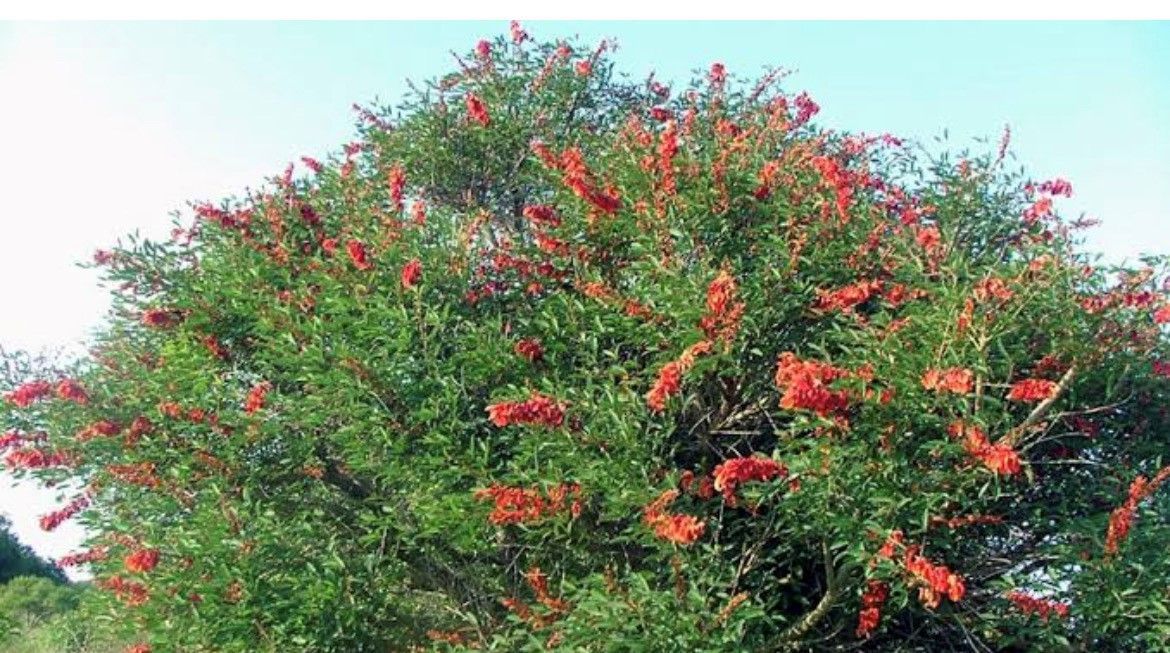
Coral trees are known for their bright flowers, but they can spread aggressively and compete with native vegetation. They are often found along waterways, disturbed areas, older gardens and unmanaged spaces.
Because coral trees can be large, brittle and awkward to dismantle, professional tree removal is usually safer than attempting removal yourself.
Cadaghi
Cadaghi is a fast-growing tree that can become a problem outside its natural range. It is known for sticky seed capsules and can contribute to unwanted spread in surrounding areas.
If a cadaghi is growing too close to a home, fence, driveway or neighbouring property, a professional assessment can help determine whether pruning or removal is the better option.
Slash Pine
Slash pine was originally planted in some areas for timber and shelter, but it can self-seed and become an issue where it spreads into unsuitable locations.
Larger slash pines may require controlled dismantling, especially if they are close to homes, sheds, roads, fences or powerlines.
Umbrella Tree
Umbrella trees can grow quickly, produce large quantities of seed and establish in unwanted areas. Their roots and canopy can also create problems in tight residential spaces.
Where umbrella trees are spreading, dropping fruit or growing too close to structures, removal may be a practical option once species and site requirements are confirmed.
Unsure What Tree You Have?
Common names can be confusing, and different trees can look similar. If you are unsure, get the species checked before cutting. This helps avoid accidentally removing protected vegetation or making a decision based on the wrong tree type.
TreePeeps can inspect the tree from a tree-work perspective and explain the practical removal, pruning or access considerations involved.
When You Should Still Check Council First
Even if a tree is a common weed species, there are situations where you should be extra careful before removing it. Council rules, overlays and property conditions can still affect what can be done.
- The tree is on common property: Body corporate or strata-managed land may have additional approval requirements.
- The tree is near a waterway: Vegetation near creeks, drainage corridors or environmental areas can be subject to extra controls.
- The tree is part of development work: Removal linked to building, pools, driveways or retaining walls may need planning checks.
- The species is uncertain: Do not rely on a guess. Confirm the tree before cutting.
- The tree is large or risky: Large trees, leaning trees and storm-damaged trees need proper planning, equipment and safety controls.
Why Professional Tree Removal Matters
Removing trees safely is about more than cutting the trunk. Branch weight, lean, access, nearby structures, powerlines, fences, pools, driveways and neighbouring properties all need to be considered.
Correct Identification
Before removing a tree based on weed status, the species should be confirmed. This helps avoid unnecessary risk and confusion around approval requirements.
Safe Dismantling
Many weed trees still become large, heavy and difficult to remove. Controlled cutting and rigging may be needed around homes, fences and sheds.
Clean-Up and Stumps
After tree removal, green waste and stumps need planning. TreePeeps can also assist with stump removal or stump grinding where required.
For ongoing maintenance, pruning may also be suitable. TreePeeps provides tree trimming and pruning as well as tree removal, palm removal and emergency tree work.
Tree Removal Services Across the Gold Coast and South East Queensland
TreePeeps helps homeowners, property managers, body corporates and businesses with tree removal, tree lopping, palm removal, pruning, stump grinding and emergency tree work across the Gold Coast and surrounding South East Queensland areas.
Gold Coast
For tree lopping, tree removal and palm work on the Gold Coast, visit our Gold Coast tree removal page.
Logan and Beenleigh
TreePeeps also assists with tree removal Logan and tree removal Beenleigh.
Brisbane and Surrounds
We can help with tree loppers Brisbane, tree lopping Tingalpa and tree lopping Wynnum.
Depending on your location, we may also assist with tree removal Greenbank, tree removal Springwood, tree removal Beaudesert and tree removal Burpengary.
Need a Tree Removal Quote on the Gold Coast?
If you have a cocos palm, coral tree, cadaghi, slash pine, umbrella tree or another problem tree on your property, TreePeeps can inspect the site and provide an obligation-free quote for removal or pruning.
Property owners should confirm Council approval requirements directly with City of Gold Coast before removing or damaging protected vegetation.
Related Tree Services
Need help with another tree service? Explore our related services below.
Gold Coast Tree Removal Approval FAQs
Can I remove weed trees on the Gold Coast without Council approval?
Some weed or pest tree species may be treated differently to protected vegetation, but property owners should still check City of Gold Coast requirements before removing trees. Site conditions, overlays, common property and development approvals can all affect what is allowed.
What are common weed trees on the Gold Coast?
Common problem trees often discussed in South East Queensland include cocos palm, coral tree, cadaghi, slash pine and umbrella tree. Correct species identification is important before removal.
Do I need an arborist to confirm the tree species?
A qualified or experienced arborist can help confirm the species and assess the tree’s condition, structure and removal risks. This is especially useful where the tree is large, hazardous or difficult to identify.
Does TreePeeps get Council approval for me?
Property owners should confirm and manage Council approval requirements directly with City of Gold Coast. TreePeeps can provide practical tree-work advice, site assessment and a quote for tree removal, pruning or related services.
Can pruning be a better option than tree removal?
Yes. If the tree is healthy and structurally sound, pruning may solve clearance, deadwood, canopy weight or overgrowth issues without removing the whole tree.
Can TreePeeps remove weed trees on the Gold Coast?
Yes. TreePeeps provides tree removal, tree lopping, palm removal, pruning, stump removal and emergency tree services across the Gold Coast and surrounding areas.