Cocos Palm Removal and Maintenance in South East Queensland
Cocos palms, also known as queen palms, are common across Brisbane, Logan, the Gold Coast and wider South East Queensland. While they can look attractive in established gardens, they are also recognised as an environmental weed in parts of Queensland and can create problems for wildlife, gardens, gutters and property maintenance. If you need help with palm tree removal, TreePeeps can inspect your site and provide an obligation-free quote.
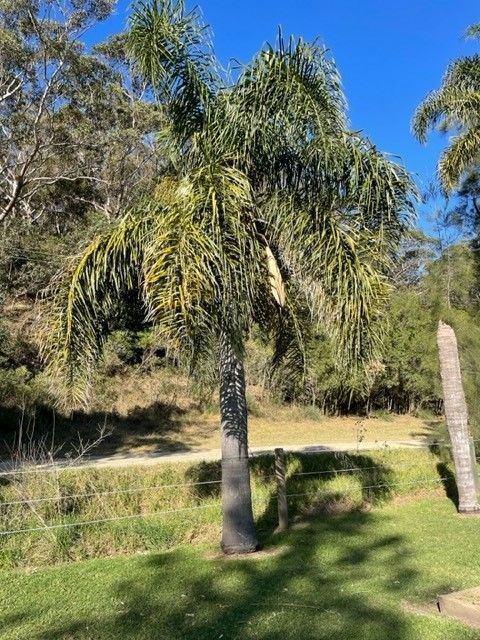
The cocos palm, Syagrus romanzoffiana , has been widely planted for its tropical look, fast growth and graceful fronds. However, in South East Queensland, it is also a palm that property owners should manage carefully.
Many homeowners know cocos palms for their messy fruit, falling fronds and regular cleaning requirements. Fewer people realise they can also spread into natural areas and create problems for local wildlife. For this reason, cocos palms are often discussed in the context of weed management, wildlife protection and responsible garden maintenance.
This guide explains what cocos palms are, why they can be problematic in Queensland, how they may affect flying foxes, and when palm cleaning or palm removal may be worth considering.
What Is a Cocos Palm?
The cocos palm, also commonly called queen palm, is a tall ornamental palm originally from South America. It has a smooth grey trunk, long arching fronds, large flower clusters and orange fruit that can drop in large quantities.
It became popular in Australian landscaping because it grows quickly, handles a range of conditions and gives gardens a tropical look. You will often see cocos palms in older Brisbane and Logan gardens, rental properties, unit complexes, commercial sites and suburban yards.
Fast Growing
Cocos palms can establish quickly, which is one reason they became popular in landscaping. The downside is that they can outgrow small spaces and need ongoing maintenance.
Messy Fruit
The fruit can drop across lawns, paths, driveways, pool areas and gardens. It may also attract wildlife and create slip or clean-up issues.
Regular Maintenance
Dead fronds, seed bunches and fruit can become a recurring problem, especially around homes, gutters, pools and outdoor living areas.
Why Are Cocos Palms Considered a Problem?
Although cocos palms are still found in many gardens, they are widely recognised as an environmental weed in Queensland. Their seeds can be spread by animals, water and dumped garden waste, allowing them to establish outside the original planting area.
In natural areas, weed palms can compete with native plants, change the structure of understorey vegetation and make bush regeneration more difficult. On residential properties, the problem is often more practical: fruit mess, falling fronds, blocked gutters, palm debris around pools and the cost of repeated cleaning.
| Issue | How It Affects Properties and Local Areas |
|---|---|
| Seed spread | Seeds can be moved by wildlife, water and dumped garden waste, helping the palm spread into unwanted areas. |
| Fruit drop | Fruit can create mess around lawns, paths, driveways, pools and outdoor entertaining areas. |
| Wildlife impact | Cocos palms are associated with flying fox health concerns, particularly where fruit or flowers attract bats to residential areas. |
| Ongoing maintenance | Frond removal, seed pod removal and palm cleaning may be needed regularly to keep the area tidy and safer. |
| Unsuitable locations | Palms planted too close to homes, fences, pools or driveways can become difficult and costly to maintain. |
Cocos Palms and Flying Foxes
Flying foxes are important native animals because they help pollinate plants and disperse seeds across the landscape. However, cocos palms can create health risks for flying foxes, particularly when flowers and fruit become a food source.
Bat conservation groups in Queensland have long raised concerns about cocos palms because flying foxes may feed on flowers or fruit and become affected by what is often referred to as palm-related poisoning or gut obstruction. Young flying foxes can be especially vulnerable.
- Fruit and seed concerns: Cocos palm fruit and seeds can create digestive issues for flying foxes.
- Flower and pollen exposure: Flying foxes may feed on palm flowers when other food is limited.
- Residential conflict: Palms can attract bats close to homes, pools, vehicles and outdoor areas.
- Wildlife welfare: Removing or managing cocos palms can form part of a broader approach to reducing harm to flying foxes.
Should You Clean or Remove a Cocos Palm?
Not every cocos palm needs to be removed immediately. In some cases, regular palm cleaning may be enough to manage fruit, fronds and seed pods. In other cases, removal may be the more practical long-term solution.
Palm Cleaning May Suit If:
- The palm is healthy and in a suitable location.
- You mainly need seed pods and dead fronds removed.
- The palm is not causing major mess, wildlife issues or access problems.
- You are happy to maintain it regularly.
Palm Removal May Suit If:
- The palm is too close to a house, pool, fence or driveway.
- Fruit drop is causing constant mess or slip concerns.
- The palm is attracting unwanted wildlife activity close to the home.
- You want to replace it with more suitable native or low-maintenance planting.
If a palm is removed completely, stump removal or stump grinding may also be needed to clear the area and make it easier to replant, landscape or maintain.
Why Professional Palm Tree Removal Matters
Palm tree removal can be risky, especially when palms are tall, close to homes, near fences, beside pools or located in tight access areas. Palm trunks are heavy, fronds can be awkward to manage, and seed pods or debris can make the work messy.
A professional tree services team can assess the palm, plan how sections will be brought down, manage green waste and reduce the risk of damage to nearby structures.
Professional palm removal should consider:
- Access for workers, equipment and green waste removal.
- Nearby roofs, gutters, fences, sheds, pools and neighbouring properties.
- The height, lean and condition of the palm.
- How palm sections can be lowered or removed safely.
- Whether stump grinding is required after removal.
- Whether replacement planting may be a better long-term option.
TreePeeps provides palm cleaning, palm removal, tree removal, tree trimming and pruning across Brisbane, Logan, Ipswich, the Gold Coast and surrounding areas.
Local Palm Removal Across Brisbane, Logan and South East Queensland
Cocos palms are common across South East Queensland, particularly in older suburbs and established gardens. TreePeeps helps property owners remove and maintain palms across Brisbane, Logan, Ipswich, the Gold Coast and surrounding locations.
Logan and Jimboomba
We assist with palm removal, tree removal and stump grinding across Logan, including tree loppers Logan and tree removal Jimboomba.
Brisbane and Bayside
TreePeeps helps with palm tree removal, tree lopping Tingalpa, tree lopping Wynnum and surrounding Brisbane suburbs.
Gold Coast and Scenic Rim
We also assist with tree lopping Gold Coast, palm removal, acreage tree work and tree lopping Scenic Rim.
Depending on the property and location, we may also assist with tree removal Greenbank, tree removal Springwood, tree removal Beaudesert and tree removal Burpengary.
Need Cocos Palm Removal or Palm Cleaning?
If you have cocos palms, queen palms or other palm trees that need cleaning, pruning or removal, TreePeeps can inspect your property and provide an obligation-free quote.
We help homeowners, body corporates, property managers and businesses with palm removal, palm cleaning, tree removal, tree trimming, stump grinding and emergency tree services across South East Queensland.
Related Tree Services
Need help with another tree service? Explore our related services below.
Cocos Palm Removal FAQs
Are cocos palms an environmental weed in Queensland?
Cocos palms are widely recognised as an environmental weed in Queensland. They are not listed as a prohibited or restricted invasive plant under the Biosecurity Act 2014, but property owners still have a general biosecurity obligation to minimise invasive plant risks under their control.
Why are cocos palms bad for flying foxes?
Cocos palms can attract flying foxes to flowers and fruit. Bat conservation groups have raised concerns about palm-related poisoning, digestive issues and gut obstruction, especially in younger flying foxes.
Should I remove my cocos palm?
Removal may be worth considering if the palm is causing constant fruit mess, attracting wildlife close to the home, growing too close to structures, or if you want to replace it with more suitable planting. In some cases, regular palm cleaning may be enough.
Can TreePeeps remove cocos palms?
Yes. TreePeeps provides palm tree removal, palm cleaning, tree removal, tree trimming and stump removal across Brisbane, Logan, Ipswich, the Gold Coast and surrounding areas.
Do you remove the palm stump as well?
Palm stump removal or stump grinding can usually be discussed as part of the quote. Removing the stump helps clear the area and makes future landscaping easier.
What should I plant instead of cocos palms?
Suitable replacement planting depends on your site, soil, available space and maintenance preferences. Many property owners choose native or lower-maintenance plants that provide shade, habitat and screening without the same fruit drop issues.