Key Differences Between an Arborist and a Tree Lopper
If you are searching for tree loppers in Brisbane, you may also come across the term arborist. Both work with trees, but they are not always the same thing. The main difference comes down to training, assessment, tree health knowledge, safety practices and the type of advice being provided.
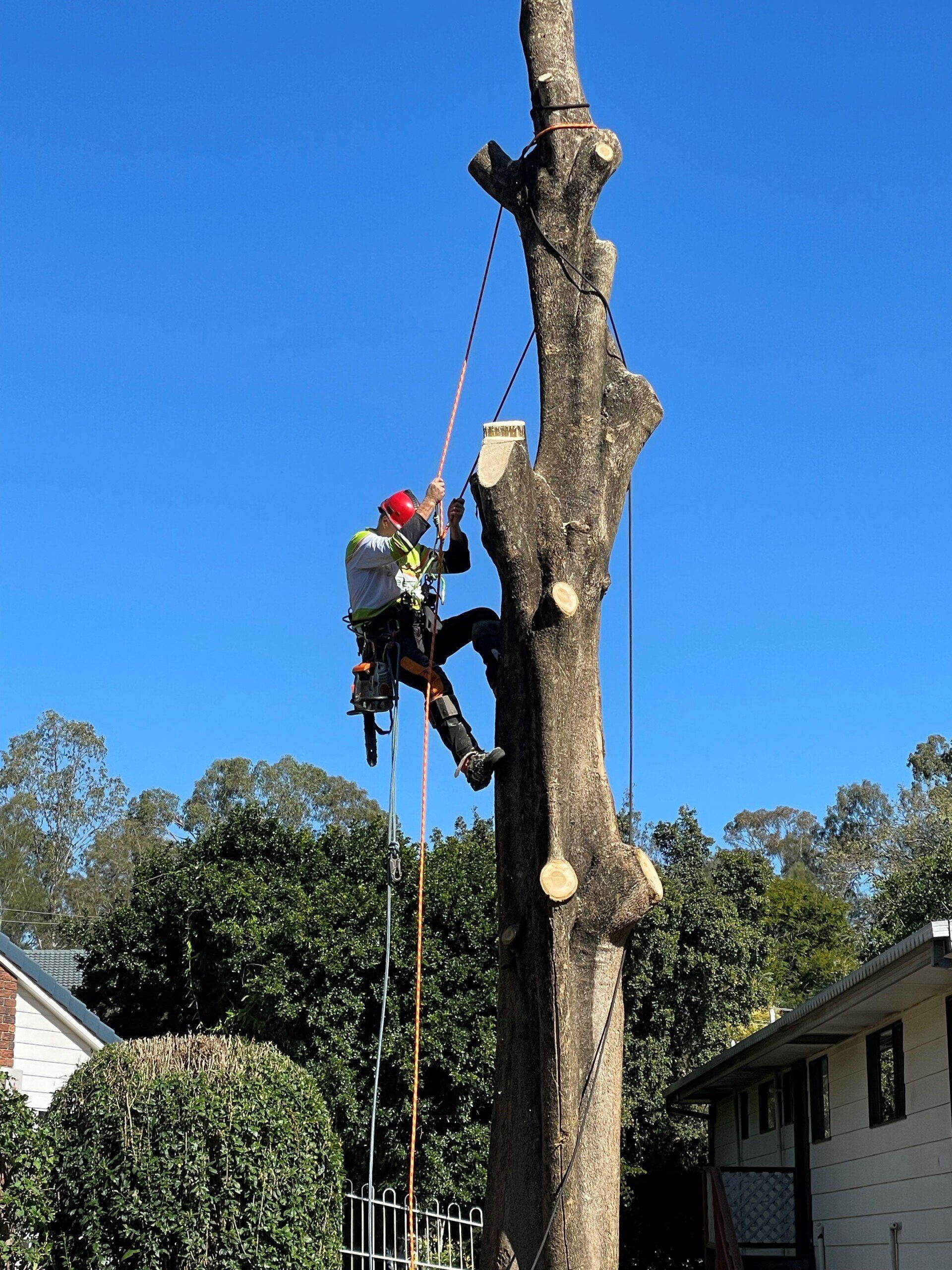
The short answer is this: an arborist is trained to assess and care for trees, while a tree lopper is generally focused on cutting, trimming or removing trees.
That does not mean every tree lopper is careless, and it does not mean every tree needs a formal arborist report. In everyday language, many property owners use the term “tree lopper” when they are looking for someone to cut back branches, reduce overgrowth or remove a tree. The important thing is choosing a tree services team that understands tree structure, safety, correct pruning methods and the risks involved in working around homes, fences, powerlines and neighbouring properties.
This guide explains the real differences between an arborist and a tree lopper, when you may need one over the other, and what to look for before booking tree work on your property.
What Is an Arborist?
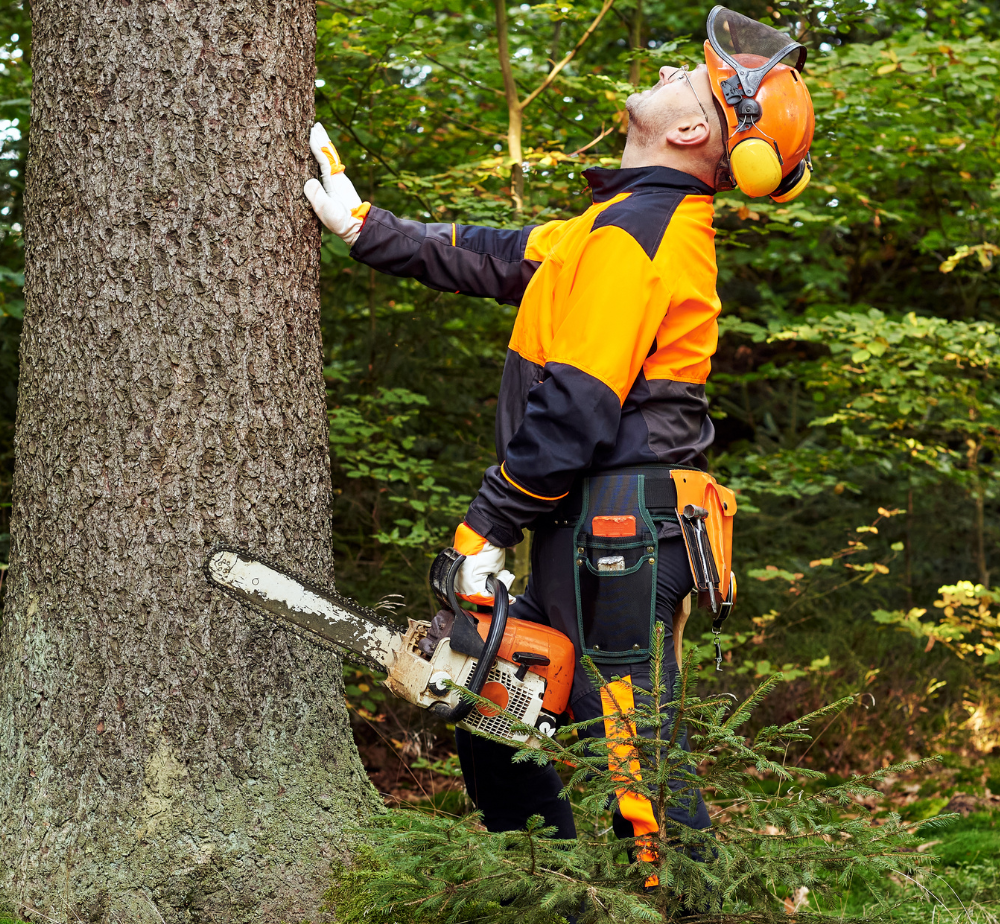
An arborist is a tree-care professional with training in arboriculture, which is the management, cultivation and care of trees. Arborists are trained to look at more than the visible branches. They consider tree species, structure, health, defects, pests, disease, soil conditions, site pressure and the long-term impact of pruning or removal.
In practical terms, an arborist can help determine whether a tree should be pruned, monitored, treated, retained or removed. They may also provide advice for council requirements, development sites, tree risk, tree health concerns and tree preservation.
Tree Health Knowledge
Arborists are trained to recognise signs of stress, decline, decay, disease, pest activity and structural weakness. This helps them make recommendations that consider the tree’s long-term health, not just the immediate job.
Pruning Standards
Arborists understand correct pruning principles, including where cuts should be made, how much canopy should be removed and how pruning may affect the tree’s future growth.
Tree Risk Assessment
An arborist can assess structural issues such as included bark, deadwood, cracks, cavities, root disturbance, canopy imbalance and storm damage.
Tree Preservation Advice
Where possible, an arborist may recommend pruning, weight reduction, deadwood removal or ongoing monitoring rather than removing a tree unnecessarily.
What Is a Tree Lopper?
A tree lopper is generally someone who cuts, trims, reduces or removes trees. In Brisbane and South East Queensland, many homeowners search for tree loppers when they need overgrown branches cut back, a tree reduced away from the roofline, palm fronds removed or a tree removed from the property.
The term “tree lopper” can cover a wide range of operators. Some are skilled, experienced and safety-focused. Others may have limited training and may simply cut branches without properly considering the health, structure or future stability of the tree.
This is why the business you choose matters. A good tree services team should not simply turn up and cut. They should assess the tree, explain the safest approach, consider property protection and avoid unnecessary damage where possible.
A professional tree lopping service should consider:
- Whether the tree is safe to climb or needs machinery access.
- How branches can be lowered without damaging the property.
- Whether pruning will leave the tree structurally sound.
- Whether powerlines, fences, roofs, pools or neighbouring properties are nearby.
- How green waste, logs and woodchips will be managed.
- Whether complete tree removal is safer than heavy reduction.
Arborist vs Tree Lopper: What Is the Difference?
The difference is not just the job title. It is the approach. An arborist looks at the tree as a living structure. A tree lopper may be focused more on cutting or removing parts of the tree. The best outcome often comes from combining practical tree-work experience with arboricultural knowledge.
| Category | Arborist | Tree Lopper |
|---|---|---|
| Primary focus | Tree health, structure, risk, preservation and safe management. | Cutting, trimming, reducing or removing trees and branches. |
| Training | Usually trained in arboriculture, tree biology, pruning methods, pests, disease and risk assessment. | Training varies widely. Some are highly experienced, while others may have limited formal training. |
| Tree health advice | Can assess whether a tree is declining, diseased, structurally weak or worth retaining. | May not provide detailed tree health advice unless they also have arboricultural training. |
| Pruning approach | Should consider correct pruning practices and how the tree will respond after cutting. | May focus on clearance, height reduction or branch removal, depending on experience and standards. |
| Best suited for | Tree assessments, preservation advice, pruning plans, council-related concerns and complex tree health issues. | Tree trimming, branch removal, palm work, storm clean-up, clearance work and tree removal. |
| Risk management | Considers tree structure, site conditions, access, public safety and long-term risk. | Risk management depends heavily on the operator’s experience, equipment, training and insurance. |
Why Correct Pruning Matters
Tree pruning is not just about making a tree smaller. When pruning is done properly, it can reduce risk, improve clearance, remove deadwood, manage weight and support healthier growth. When it is done poorly, it can create long-term problems.
The Australian Standard AS 4373-2007, Pruning of Amenity Trees , is the recognised Australian standard for pruning amenity trees. It provides guidance on pruning practices intended to support tree health, safety and structure.
Over-Lopping
Removing too much canopy can stress a tree and encourage weak regrowth. This can leave the tree looking messy and may create future maintenance issues.
Poor Cut Placement
Incorrect cuts can damage branch collars, slow wound response and increase the chance of decay entering the tree.
Unbalanced Canopy
Heavy cutting on one side of a tree can affect balance, appearance and structural loading, especially in storms or high winds.
This is one reason it is important to choose a tree services team that understands more than simply “cutting it back”. The goal should be to achieve the outcome you need while reducing unnecessary harm to the tree and property.
When Should You Call an Arborist?
You may need an arborist when the tree requires assessment, diagnosis or a more careful management plan. This is especially true when the tree is valuable, protected, structurally questionable or showing signs of decline.
Call an Arborist If:
- The tree appears sick, dying or structurally unstable.
- You can see cracks, cavities, fungal growth or major deadwood.
- The tree is close to a house, driveway, pool, retaining wall or powerlines.
- You are unsure whether the tree should be removed or retained.
- You need advice for council, body corporate or property management purposes.
- The tree has been damaged by a storm and may be unsafe.
A Tree Lopper May Be Suitable For:
- Removing overhanging branches.
- Trimming trees away from roofs, gutters or fences.
- General tree lopping and canopy reduction.
- Palm frond removal and palm clean-up.
- Tree removal where the work is straightforward and safe to complete.
- Green waste cutting, chipping and site clean-up.
In many cases, the right solution is a team that understands both sides: practical tree work and proper tree-care principles.
Safety and Insurance Matter
Tree work can involve heights, chainsaws, falling branches, ropes, machinery, steep blocks, nearby structures and sometimes powerlines. Safe tree work is planned, controlled and carried out with the right equipment.
WorkSafe guidance for tree trimming and removal highlights the importance of managing risks associated with lopping, pruning, wood chipping and stump grinding. That is why it is worth choosing a professional tree service that takes safety seriously.
Before booking tree work, ask:
- Do they have appropriate insurance?
- Do they have experience with similar trees and site conditions?
- Will they explain how the work will be completed safely?
- Is green waste removal included in the quote?
- Will they protect nearby structures, gardens, fences and neighbouring property?
- Are they using suitable equipment for the size and risk of the job?
A cheaper quote is not always better if the operator is uninsured, under-equipped or unable to explain how they will safely complete the work.
What TreePeeps Does Differently
At TreePeeps Tree Services, we understand that most customers are not interested in industry jargon. They want straight answers: Is the tree safe? Does it need to be removed? Can it be trimmed instead? How much will it cost? Will the property be protected?
Our approach is practical and honest. We assess the tree, consider the surrounding property, explain your options and recommend the most suitable way forward. Sometimes that means pruning or canopy reduction. Sometimes it means complete tree removal. In other cases, it may involve stump removal, palm removal or urgent help after storm damage.
We Consider the Tree
- Species and growth habit
- Canopy weight and structure
- Deadwood, cracks or defects
- Health and long-term viability
- Best pruning or removal method
We Consider the Property
- Access and site layout
- Nearby homes, fences, pools and sheds
- Neighbouring properties
- Safety risks and equipment required
- Green waste and clean-up requirements
Need a Tree Lopper or Arborist Advice in Brisbane?
If you are unsure whether your tree needs pruning, lopping, trimming or complete removal, TreePeeps can help. We provide obligation-free quotes across Brisbane, Logan, Ipswich, the Gold Coast and surrounding areas of South East Queensland.
Our team can assess your tree, explain your options and recommend a safe, practical solution for your property.
Related Tree Services
Need help with another tree service? Explore our related services below.
Arborist vs Tree Lopper FAQs
What is the main difference between an arborist and a tree lopper?
An arborist is trained to assess tree health, structure, risk and long-term care. A tree lopper is generally focused on cutting, trimming, reducing or removing trees. Some tree loppers are highly experienced, but not all have formal arboricultural training.
Do I need an arborist or a tree lopper?
If you need general trimming, branch removal or tree removal, a professional tree lopping team may be suitable. If the tree is diseased, unstable, protected, storm-damaged or needs a formal assessment, arborist advice may be more appropriate.
Is tree lopping bad for trees?
Tree lopping can harm a tree if it is done poorly or too aggressively. Correct pruning should consider the tree’s species, structure, health and future growth. Poor cuts can increase stress, decay and weak regrowth.
Can TreePeeps help me decide whether to prune or remove a tree?
Yes. TreePeeps Tree Services can assess the tree and site conditions, then recommend whether pruning, trimming, canopy reduction, stump removal or complete tree removal is the most suitable option.
Why is insurance important for tree work?
Tree work can involve heights, chainsaws, falling branches and nearby property. Insurance provides peace of mind if damage occurs during the job. It is always worth asking a tree service provider about insurance before approving work.
Does TreePeeps service areas outside Brisbane?
Yes. TreePeeps Tree Services provides tree lopping, pruning, tree removal, stump removal, palm removal and emergency tree services across Brisbane, Logan, Ipswich, the Gold Coast and surrounding areas.
References and Useful Resources
For readers who want to understand tree pruning and tree-work safety in more detail, the following Australian resources are useful: