Brisbane Tree Health
Common Tree Pests and How to Deal With Them
Brisbane’s warm, leafy suburbs are ideal for healthy trees, but the same conditions can also attract pests that weaken foliage, damage branches and affect long-term tree health. If a pest problem has left a tree unsafe, declining or badly damaged, professional tree trimming and pruning
advice can help you decide what to do next.
This guide explains some of the common tree pests Brisbane homeowners may notice, what damage they can cause, and when it may be time to call in professional help.
Why Tree Pests Should Not Be Ignored
Not every insect on a tree is a problem. Many insects are harmless, and some are beneficial. The concern is when pests are present in large numbers, repeatedly attack new growth, weaken branches or contribute to decline in an already stressed tree.
Trees under stress from drought, poor soil, root damage, over-pruning, storm damage or disease can be more vulnerable to pest issues. That is why it is important to look at the whole tree, not just the insect itself.
Treepeeps tip:
if a tree has pest damage plus dead branches, cracks, dieback, fungal growth or sudden limb drop, it may need a professional tree health or hazard assessment.
Citrus Pest
Bronze Orange Bug
Bronze orange bugs, also called stink bugs, are commonly found on citrus trees. They feed on sap and can damage new growth, leaves and fruit.
Homeowners often notice them because of their strong smell and clustered appearance. Regular monitoring, careful removal and suitable garden pest control methods can help reduce numbers. Avoid handling them directly, as they can spray irritating liquid.
Citrus Pest
Citrus Gall Wasp
Citrus gall wasps lay eggs in citrus stems, causing swollen galls to form on branches. These galls can weaken growth and reduce the tree’s vigour over time.
Pruning affected sections at the right time and disposing of them properly can help reduce the lifecycle. If the tree is heavily affected, it may need ongoing care rather than a one-off trim.
Sap-Sucking Pest
Scale Insects
Scale insects can appear on many ornamental and fruiting trees. They attach to stems, leaves or branches and feed on plant sap.
Signs may include sticky residue, sooty mould, yellowing leaves, poor growth or ants moving through the tree. Treatment may include horticultural oil or other suitable pest control methods depending on the tree and severity.
Wood-Boring Pest
Borers
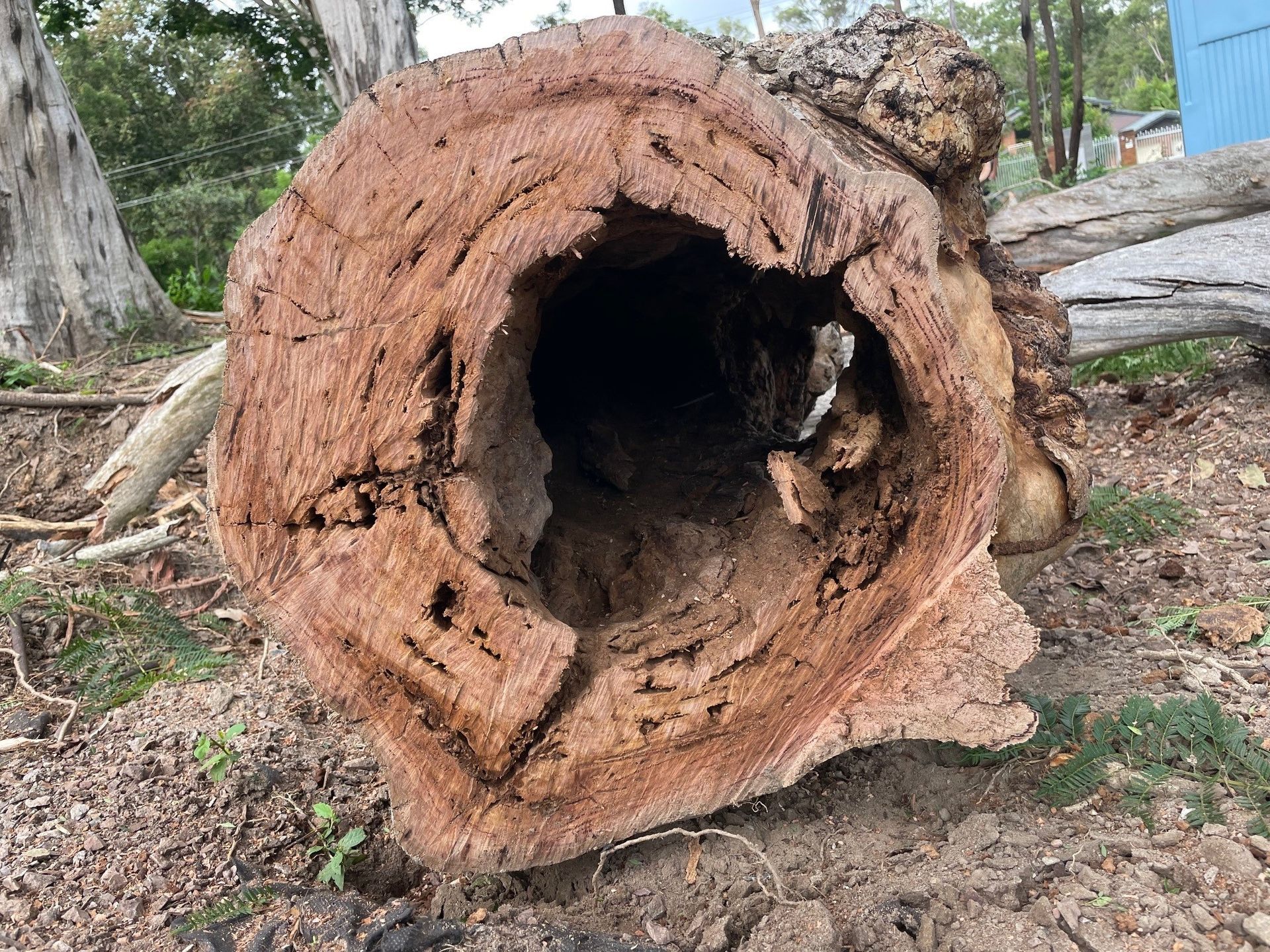
Borers are larvae that tunnel into trunks, stems or branches. They are more likely to affect stressed or damaged trees and can weaken parts of the tree over time.
Signs can include holes in the trunk, sawdust-like material, dieback, cracking bark or declining branch sections. If borers are affecting major limbs or the trunk, the tree may need closer assessment.
Soft-Bodied Pest
Aphids
Aphids are small sap-sucking insects often found on soft new growth. They can cause curled leaves, sticky residue and distorted growth.
They can multiply quickly, especially during active growing periods. In many cases, beneficial insects help control them naturally, but severe infestations may need targeted garden pest management.
Secondary Issue
Sooty Mould and Ant Activity
Sooty mould is not a pest itself, but it often appears when sap-sucking insects produce sticky honeydew. Ants may also be present because they are attracted to the honeydew.
When you see black coating on leaves, sticky surfaces under the tree or ants moving up and down stems, it may point to scale, aphids or other sap-sucking pests.
Signs a Pest Problem May Be Affecting Your Tree
Pest issues are not always obvious at first. Sometimes the first sign is a tree that looks thinner, weaker or less healthy than usual.
- yellowing, curling or distorted leaves
- sticky residue on leaves, paths or outdoor furniture
- black sooty mould on leaves or branches
- dead tips, dieback or thinning canopy
- small holes in bark or sawdust-like material
- swollen galls on citrus branches
- large numbers of ants moving through the tree
- branches becoming brittle, cracked or unsafe
How to Deal With Tree Pests Safely
The best response depends on the pest, tree species, level of damage and overall tree health. Some minor pest problems can be managed with monitoring and simple garden care, while others may need pruning, pest treatment or arborist advice.
- Inspect trees regularly, especially citrus, ornamentals and stressed trees.
- Remove dead, diseased or badly affected branches where appropriate.
- Avoid harsh or unnecessary cutting that can stress the tree further.
- Use pest treatments carefully and follow product directions.
- Encourage beneficial insects where possible.
- Ask for professional advice if the tree is declining or unsafe.
When Pest Damage Becomes a Tree Safety Issue
Many pest problems affect leaves and soft growth, but some issues can weaken branches, accelerate dieback or expose existing structural problems. If a large limb is dead, cracked or affected by borers, it may become a safety concern.
In these cases, Treepeeps can inspect the tree and recommend whether selective pruning, deadwood removal, branch reduction or tree removal
may be needed.
Preventing Future Pest Problems
Healthy trees are generally more resilient. Good watering habits, mulching, avoiding root damage, correct pruning and early action can all help reduce stress and make trees less vulnerable to pests.
It is also important not to over-prune. Removing too much canopy can stress a tree and trigger weak regrowth, making future pest or disease problems more likely.
Treepeeps Can Help With Pest-Damaged Trees
Treepeeps provides arborist-led tree services across Brisbane, Logan, Ipswich and the Gold Coast. If pests, dieback or damaged branches are affecting your tree, we can help assess the safest and most practical next step.
Our services include tree trimming and pruning, tree lopping, tree removal, stump grinding, palm removal and emergency tree work.
Worried About a Pest-Damaged Tree?
Call Treepeeps for clear advice, a free written quote and arborist-led tree services across South East Queensland.
Call Treepeeps on 07 3910 3436