A Guide to Crown Lifting: What It Is, When It Helps and How It Should Be Done
Crown lifting is a tree pruning technique used to raise the lower canopy of a tree by carefully removing selected lower branches. It can improve clearance over lawns, driveways, footpaths, roads, garden beds and outdoor living areas while helping a tree look more balanced and better suited to its surroundings.
Although crown lifting may sound simple, it should be approached carefully. Removing the wrong branches, cutting too much at once or lifting one side too heavily can affect the tree’s appearance, structure and long-term health. A professional tree trimming and pruning service can assess the tree properly before work begins.
What Is Crown Lifting?
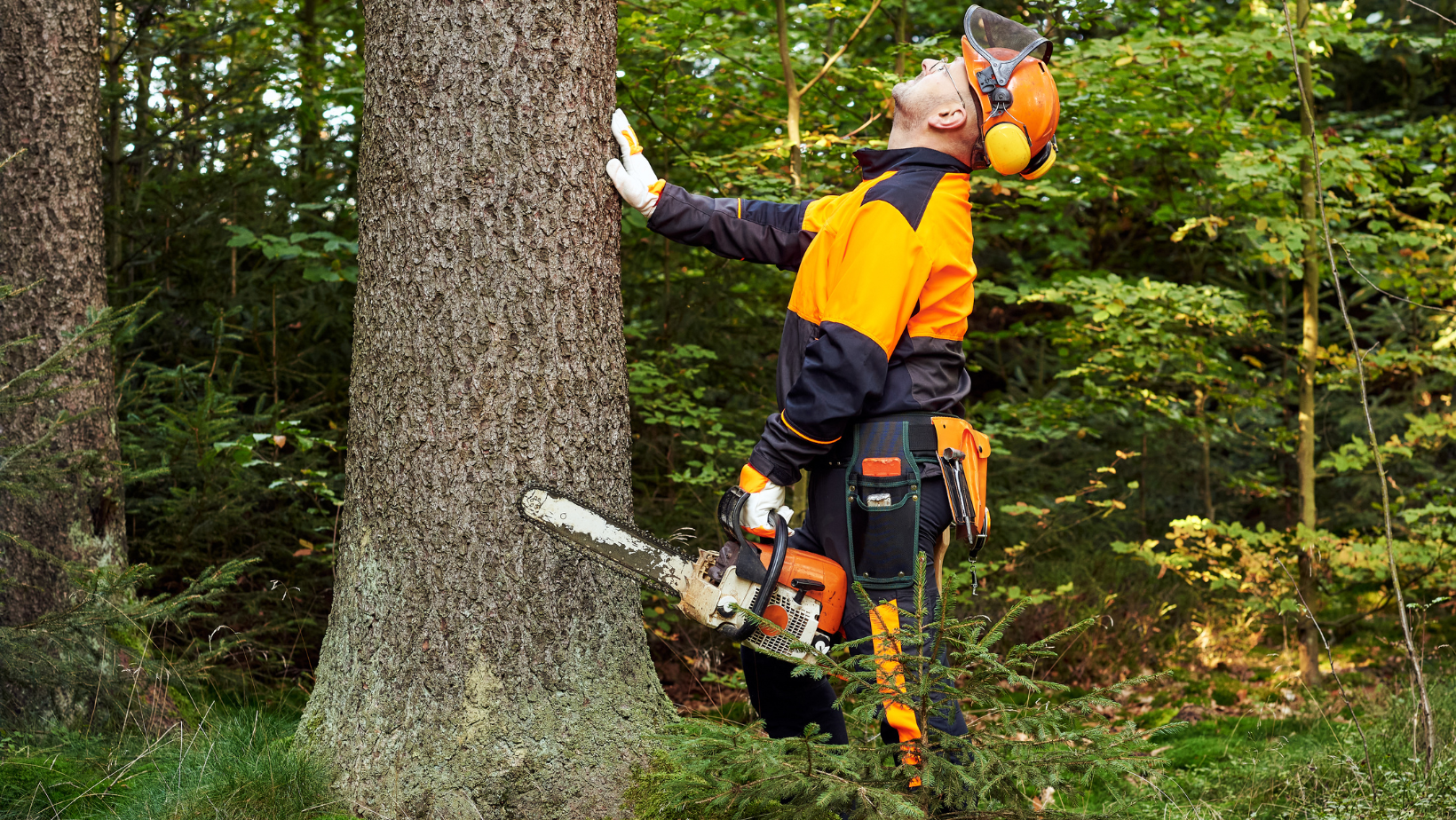
Crown lifting, also called canopy lifting or crown elevation, involves removing selected lower branches from a tree to create more space between the ground and the lower canopy. The aim is not to reduce the whole tree, but to increase clearance beneath it while maintaining a natural, balanced shape.
This type of pruning is commonly used in urban and residential settings where trees grow close to footpaths, driveways, roads, garden paths, lawns, fences, homes or outdoor entertaining areas. It can also be used to open up views, allow more light beneath the canopy and reduce the feeling of a tree dominating a confined space.
Good crown lifting is selective. The arborist or tree worker should consider the tree’s species, size, structure, branch weight, location and surrounding use areas before removing lower branches.
Why Crown Lifting Is Used
Crown lifting is often carried out to improve clearance and make outdoor areas easier and safer to use. On private properties, this may mean creating room for mowing, improving access along garden paths, clearing low branches from driveways or allowing people to walk beneath the tree without ducking.
In public and urban environments, crown lifting can help provide adequate clearance above footpaths, roads and infrastructure. It can also improve lines of sight for vehicles and pedestrians, which is important where low branches are blocking visibility.
In garden and landscape settings, crown lifting can make a tree feel lighter and more open without removing the entire tree. It can allow more filtered light underneath the canopy and help frame views across a yard, pool area, garden or property boundary.
Common Reasons to Crown Lift a Tree
There are several reasons a property owner may request crown lifting. The right reason and the right pruning plan matter because not every tree should be lifted the same way.
Clearance Over Lawns and Paths
Crown lifting can make it easier to mow beneath a tree, walk through the yard, use garden paths or move around outdoor areas without low branches getting in the way.
Clearance for Vehicles and People
Low branches over driveways, footpaths, roads or carparks may need to be lifted to improve access and reduce the chance of branches striking people, vehicles or equipment.
Improved Lines of Sight
Lower branches can block views around driveways, entrances, corners, signs or property frontages. Crown lifting can help open visibility while retaining the tree.
More Light Beneath the Tree
Raising the lower canopy can allow more filtered light to reach lawns, garden beds and outdoor living areas beneath the tree.
A Cleaner Canopy Shape
When performed carefully, crown lifting can improve the tree’s overall appearance by raising low growth while preserving a balanced silhouette.
Opening or Framing Views
In some properties, selective lifting can help frame views through the lower canopy without needing to remove the entire tree.
Crown Lifting Must Keep the Tree Balanced
One of the biggest mistakes with crown lifting is focusing only on clearance and forgetting the overall tree shape. The lower branches often contribute to the tree’s balance, stability and natural form. Removing too much from one side can leave the canopy looking uneven or place stress on remaining branches.
In some cases, different parts of the same tree may need different clear heights. For example, one side may need pedestrian clearance over a path, while the other side may need vehicle clearance over a driveway. An arborist should consider these needs while still being sympathetic to the tree’s complete canopy outline.
Where appropriate, small adjustments to nearby or opposing branches may be needed to maintain a balanced and visually pleasing crown shape.
How Crown Lifting Is Performed
Crown lifting should be done with a plan. The process usually starts with a ground-based assessment of the tree’s health, structure, lower branches, site use, clearance needs and surrounding hazards.
1. Assess the Tree
The tree is checked for species, health, branch structure, deadwood, defects, lean, canopy shape and how the surrounding area is used.
2. Identify Lower Branches
The branches causing access, safety, visibility or clearance issues are identified. Not every low branch should automatically be removed.
3. Plan the Final Canopy
The desired clearance is considered along with the tree’s natural shape, so the finished result does not look harsh, unbalanced or over-pruned.
4. Make Correct Cuts
Branches are removed using proper pruning cuts. Poor cuts, large stubs or cuts too close to the trunk can create future problems.
5. Avoid Over-Pruning
The aim is to remove the minimum amount needed to achieve the outcome. Taking too much foliage can stress the tree.
6. Clean Up and Review
Branches are removed from the site, and the final canopy is checked for clearance, balance and safety.
Crown Lifting vs Crown Thinning
Crown lifting and crown thinning are not the same thing. Crown lifting focuses on raising the lower canopy by removing selected lower branches. Crown thinning reduces density within the canopy by removing selected smaller branches to improve airflow, light penetration and branch spacing.
Crown thinning may be useful when the canopy is very dense, light is not reaching lower branches or nearby plants, airflow is poor, or overcrowded branches are increasing storm damage risk. However, thinning should be moderate and evenly distributed.
Over-thinning can cause stress, sun exposure, weak regrowth and a poor canopy structure. One common mistake is “lion-tailing”, where too many inner branches are removed and foliage is left only at the ends of limbs. This can make branches more vulnerable to failure.
Simple Difference
Crown lifting: raises the lower canopy for clearance, access, visibility and light beneath the tree.
Crown thinning: reduces selected internal canopy density for light, airflow and branch spacing.
When Is the Best Time for Crown Lifting?
The best timing depends on the tree species, the amount of pruning required and the reason for the work. If branches are creating a safety issue, blocking access or interfering with buildings, pruning may need to be done sooner rather than waiting for the perfect season.
For non-urgent pruning, many trees respond well when work is carried out during cooler periods or before strong new growth. Late winter to early spring is often a practical time for many species because the tree is not under as much heat stress. Some fast-growing trees may also be managed later in the growing season, but heavy pruning should be avoided when the tree is already stressed.
Arborist advice matters: timing can vary depending on the species, tree health, recent weather, pest or disease pressure and how much foliage needs to be removed.
How Much Can Be Removed?
Crown lifting should usually be conservative. Removing too much foliage in one session can stress the tree and affect its structure. In many cases, staged pruning is a better option, especially for mature trees, previously damaged trees, trees with poor form or trees that have not been maintained for many years.
The amount removed should be based on the tree’s health, the branch sizes being cut, the desired clearance and the overall canopy balance. Larger lower limbs should not be removed without careful consideration, because large pruning wounds can take longer to close and may increase the risk of decay.
Common Crown Lifting Mistakes to Avoid
- removing too many lower branches at once
- lifting one side heavily and leaving the canopy unbalanced
- cutting large limbs without considering decay risk
- leaving large stubs or making flush cuts against the trunk
- removing inner growth and creating lion-tailed branches
- lifting a young tree too high too early
- pruning without checking whether the tree is protected or requires Council approval
- using crown lifting when tree removal or a different pruning method would be safer
Is Crown Lifting Always the Right Option?
No. Crown lifting is useful when the main issue is low branches, clearance, visibility or light beneath the canopy. It may not be the right approach if the tree is structurally unsafe, heavily decayed, storm damaged, declining or growing in a location where pruning will not solve the problem.
In some cases, tree removal may be safer than repeated heavy pruning. In other cases, tree pruning, crown thinning, deadwood removal or branch reduction may be more suitable than crown lifting.
If a tree has already been removed, stump removal may also be needed to clear the area properly.
Tree Services That May Help
Treepeeps can inspect your trees and recommend the most suitable pruning or removal option for your property.
About Treepeeps
Treepeeps is a Brisbane-based tree services company helping homeowners, businesses and property managers with safe, practical tree work across Brisbane, Logan, Ipswich and the Gold Coast. The team provides tree removal, tree trimming and pruning, stump removal, emergency tree removal and general tree services, with qualified arborist guidance available when trees need to be assessed for safety, structure, condition or risk.
Treepeeps’ arborist, Jason Wadley, has 12 years of experience in the tree industry. He has held Level 3 Arboriculture for 10 years and a Diploma of Arboriculture for 1.5 years, giving customers access to both hands-on tree work experience and qualified arborist knowledge when making decisions about pruning, removal or tree risk.
Frequently Asked Questions
What is crown lifting?
Crown lifting is a pruning method that removes selected lower branches from a tree to raise the canopy and improve clearance beneath it. It is often used around lawns, paths, driveways, roads, buildings and outdoor areas.
Is crown lifting good for trees?
Crown lifting can be good for trees and properties when it is done correctly and conservatively. Poor crown lifting, over-pruning or removing the wrong branches can stress the tree or leave the canopy unbalanced.
How high should a tree canopy be lifted?
The correct height depends on the location and purpose of the pruning. Pedestrian clearance, vehicle clearance, mowing access and visibility may all require different clear heights. An arborist should consider the tree’s balance and natural shape before pruning.
What is the difference between crown lifting and crown thinning?
Crown lifting removes selected lower branches to raise the canopy. Crown thinning removes selected internal branches to reduce canopy density, improve airflow and allow more light through the tree.
Can crown lifting damage a tree?
Yes, crown lifting can damage a tree if too many branches are removed, large limbs are cut incorrectly, or the canopy is left unbalanced. Correct pruning cuts and conservative branch selection are important.
Does Treepeeps provide crown lifting?
Yes. Treepeeps provides tree trimming, pruning and crown lifting services across Brisbane, Logan, Ipswich and the Gold Coast.
Need Crown Lifting or Tree Pruning?
If low branches are blocking access, reducing visibility, touching structures or making your outdoor areas difficult to use, Treepeeps can inspect the tree and recommend the safest pruning approach.
Call Treepeeps on 07 3910 3436